What Counts as a Minor Car Crash
A crash is minor when no one is hurt and damage is limited to vehicles or property, but minor still has consequences worth understanding.
Why the minor label is about injury and cost, not feelings
Insurers and police sort crashes by outcome, not by how shaken up you felt. A crash counts as minor when nobody needs emergency medical care and the damage is the kind that body shops handle every day. A crash stops being minor the moment an ambulance is called, a police report lists an injury, or the repair cost climbs high enough to total a vehicle.
This distinction matters because it decides what happens next. Minor crashes usually get resolved between drivers and insurers through the claims process alone. Crashes with injury or major damage often involve police reports, medical records, and sometimes lawyers, which changes the timeline and the stakes considerably.
States differ on when you're required to report a crash to police or to the state's motor vehicle agency, even if it seems minor to you. Some set that threshold by dollar amount of damage, others by whether a vehicle had to be towed. Check your state's rule, because skipping a required report can create problems later even if the crash itself was small.
Insurers also differ in how they treat minor crashes on your record. Some forgive a first minor accident and don't raise your rate at all. Others count any paid claim, however small, when they recalculate your premium at renewal. Ask your insurer directly how they define and treat minor accidents before you decide whether to file a claim or pay out of pocket.
A fender bender in a parking lot
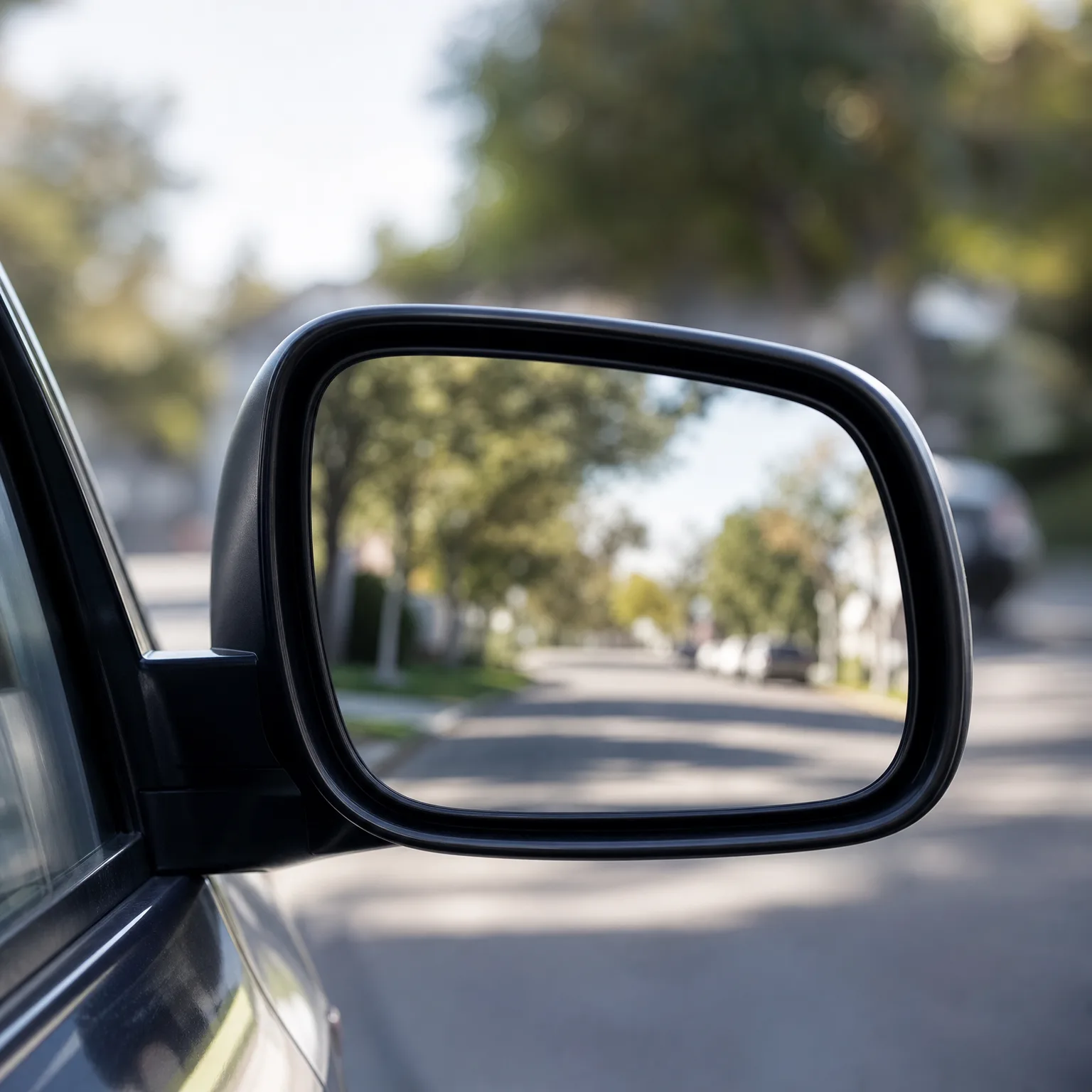
You're backing out of a space and tap another car's bumper. No one is hurt, both cars can still be driven, and the damage is a scuff and a small dent. You and the other driver exchange insurance information, take photos of both vehicles and the parking spot, and note the time and location.
Because the damage is minor, you check your state's reporting rule and find that parking lot incidents under a certain damage threshold don't require a police report. You call your insurer to ask how a claim like this would affect your rate before deciding anything. They tell you a single minor claim won't raise your premium under their policy, so you file the claim and the other driver's repair gets paid. The whole thing is resolved within a couple of weeks, and your driving record shows nothing beyond the claim itself.

Whether you report every minor crash to your insurer
If you do
Reporting creates a record showing you handled things honestly, which protects you if the other driver later claims more damage or injury than first appeared. Your insurer can also guide you through state reporting rules. The downside is some insurers weigh any claim, even a small one, when setting your next renewal price.
If you don't
Paying out of pocket keeps the crash off your claims history, which can help if your insurer raises rates after any claim at all. But if the other driver changes their story or reports injury later, you'll have no open claim and may have to start over with far less documentation and a weaker position.
Now that you know what makes a crash minor, compare quotes to see how insurers actually treat one on your record.
What decides whether a crash counts as minor
- No injuries reported If anyone involved is hurt, even mildly, the crash usually isn't treated as minor anymore. Get checked if you feel off, since some injuries show up hours later.
- Damage stays repairable Minor usually means the vehicle can be fixed for less than it's worth, not written off. Get a repair estimate before assuming the damage is small.
- No police report required Some states only require a report above a damage or injury threshold. Check your state's rule so you don't skip a required report by mistake.
- Drivers can exchange details If everyone is calm enough to swap details and take photos, that's often a sign the crash is minor. Do this even for small damage, since memories fade fast.
- Your insurer agrees it's minor Insurers have their own criteria for what counts as minor when deciding your rate. Ask directly rather than assuming your definition matches theirs.
Does a minor crash raise my insurance rate?
It depends entirely on your insurer's policy, not on how minor the crash felt to you. Some insurers forgive a first minor claim and leave your rate unchanged. Others factor in any paid claim at renewal, regardless of size. Ask your insurer how they define a minor claim and whether forgiveness applies to you specifically. If you're unsure, get a quote for repairs and compare that cost against what a rate increase might cost you before filing.
Do I have to report a minor crash to the police?
Only if your state's threshold requires it, and that threshold varies by state. Some states require a report above a certain damage amount or if a vehicle needs towing. Others leave it to the drivers' discretion for truly minor fender benders. Check your state's motor vehicle agency website for the exact rule, because failing to report when required can create legal problems later even if the crash was small.
Should I file a claim for a minor crash or pay myself?
Compare the repair cost against how much a claim might raise your premium, since both outcomes have a real cost. Call your insurer before deciding and ask specifically how a claim this size would affect your renewal rate. If the repair is cheap and your insurer counts every claim, paying yourself may save money over time. If damage is higher or the other driver was at fault, filing is usually the safer path.