Getting a US Drivers License
You get a US license by passing your state's written and road tests, and many states let you skip steps if you already drive well.
Why the process works this way
A US driver's license is issued by the state you live in, not by the federal government, so the exact steps depend on where you are. Every state wants the same basic proof though: that you are who you say you are, that you live there, and that you actually know how to drive and the local traffic laws. That is why the process always includes some mix of paperwork, a vision check, a written test on the rules, and a road test.
Your foreign experience matters, but the state usually cannot verify it directly. Some states will shorten the process, waiving the road test for example, if you hold a valid license from certain countries or can show a clean driving history. Others treat every new resident the same regardless of experience. This is one of the places where you need to check your specific state, because there is no single national rule.
While you get licensed, you can usually still drive on a valid foreign license or an international driving permit for a limited time. That window exists so you are not stuck without transportation while you work through the paperwork, but it is temporary by design, not a long-term substitute for a state license. Driving past that window on a foreign license alone can create problems, both legally and with insurance, if something goes wrong on the road.
The reason this ties so closely to insurance is that insurers price risk partly on documented history. A US license starts building a record that companies can actually see. Until that record exists, you look unpredictable to them even if you are a careful driver, and that is what drives your first quotes.
What actually moves you through this process
- Check your state's rules first Requirements, waiting periods, and which foreign licenses qualify for shortcuts all vary by state. Look up your specific state's licensing agency before you assume anything.
- Gather proof of identity You'll typically need documents proving who you are and that you live at your address. Collect these early since gathering them often takes longer than the test itself.
- Study for the written test Rules of the road, signs, and local laws are tested even if you've driven for years elsewhere. Use your state's official driver handbook, not general guides.
- Schedule the road test early Appointments can book out, especially in busy areas. Book as soon as you're eligible rather than waiting until you feel fully ready.
- Ask about skipping steps Some states waive parts of the process for drivers from certain countries or with clean records. Ask directly, since this isn't always advertised clearly.

A recent arrival getting licensed in a new state
Someone moves to a new state for a job, having driven for over a decade back home. They check the state licensing website and learn their foreign license doesn't qualify for any waiver, so they'll need both the written and road tests. They gather their passport, visa documents, and two proofs of address, since the office rejected an attempt with only one. They study the state handbook for a week, noticing several rules that differ from what they knew, like specific turn signals and school zone timing.
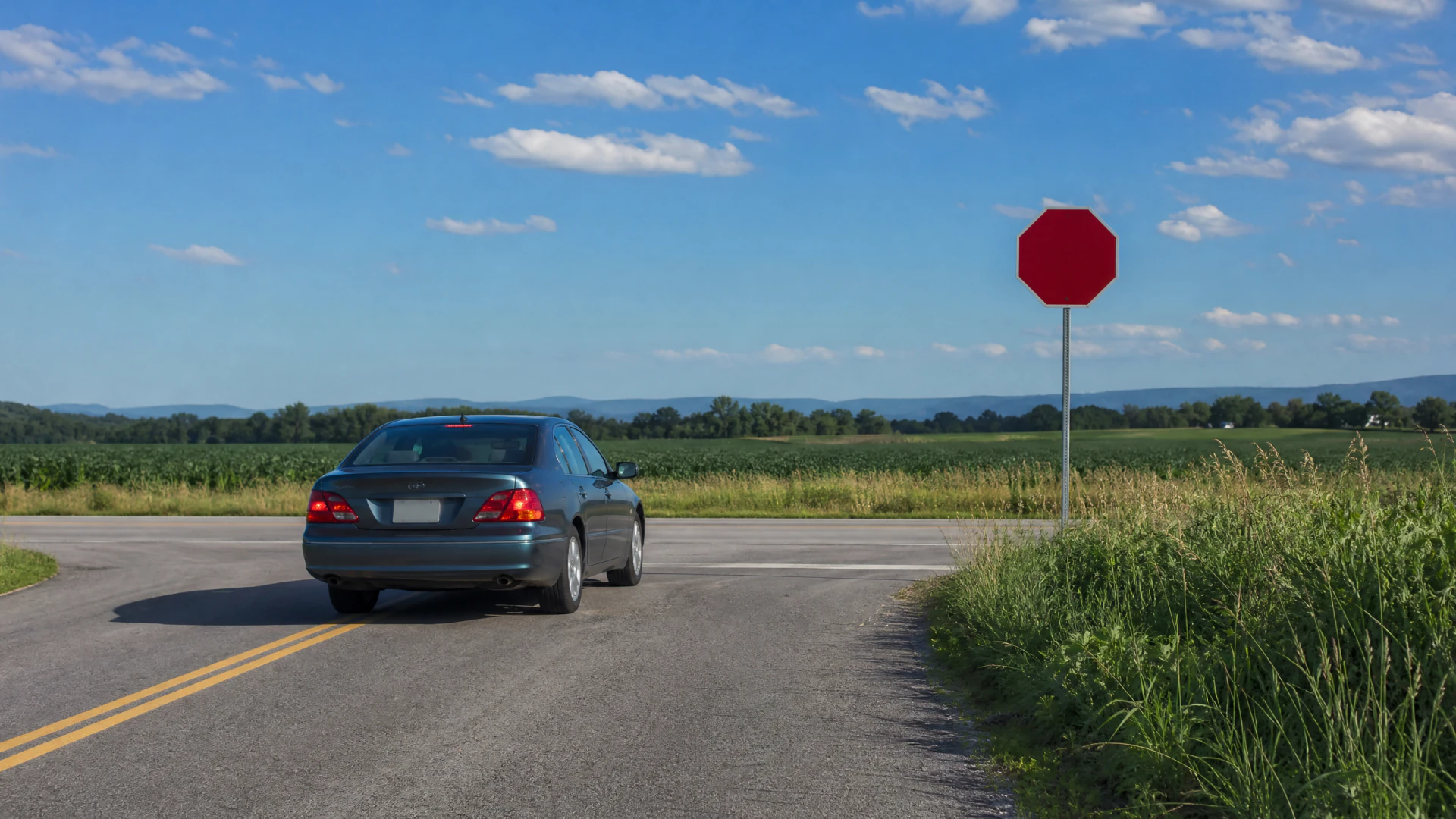
They pass the written test on the first try but fail the road test once, for rolling through a stop sign out of old habit. They book a second appointment two weeks out, practice that specific maneuver, and pass. With the new license in hand, they shop for insurance and find quotes drop once they can show a domestic license and a few months of continuous coverage from a policy they'd started earlier on their foreign license. The license alone didn't fix the price, but it was the first piece of a record insurers could finally read.
Now that you know the steps to get licensed, compare quotes to see what coverage costs once that license is in hand.

Getting licensed quickly versus waiting it out
If you do
You get a license that lets you drive without restriction, opens up standard insurance options, and starts your US driving record right away. You can rent cars more easily, satisfy employers who require it, and avoid the legal risk of driving past your foreign license's temporary window.
If you don't
You stay limited to whatever your foreign license or permit allows, which is often time-limited and not recognized everywhere. Insurance options narrow, some employers won't accept it, and if you're stopped after your temporary window ends, you risk fines or your coverage being questioned entirely.
Will getting a US license actually lower my insurance price?
It helps, but it's not the whole story. A US license lets insurers see a real record tied to your name in their system, which removes some of the guesswork that drives up first quotes for new arrivals.
What moves the price further is time and proof. Continuous coverage without gaps, a clean record over months, and sometimes a letter showing your driving history from your previous country all add to what the license started. So expect the license to be a meaningful step, not an instant fix, and keep building the record afterward instead of expecting one document to change everything.
Your license starts a record insurers can see, it doesn't finish it, so keep building that record afterward.