Accidents as a New Driver in the US
An accident as a new driver raises your rates for a few years, but it doesn't end your ability to get insured or stay licensed.
What actually happens after your accident
- Report it to your insurer fast Call your insurer as soon as it's safe, even for a small accident. Waiting or not reporting can cause bigger problems than the accident itself.
- Fault gets decided separately Your insurer and the other driver's insurer investigate who was at fault, using police reports and evidence. This decision affects your rates more than the accident itself does.
- Your rate rises at renewal The increase usually shows up at your next renewal, not immediately. Ask your insurer directly how long the accident will affect your price.
- You can still switch insurers Having an accident on your record doesn't trap you with one company. Shop around at renewal since insurers weigh recent accidents differently.
- One accident rarely ends cover A single accident, even if you're at fault, usually doesn't get you dropped. Multiple accidents close together are what insurers treat as a real risk.

A new driver's first fender bender
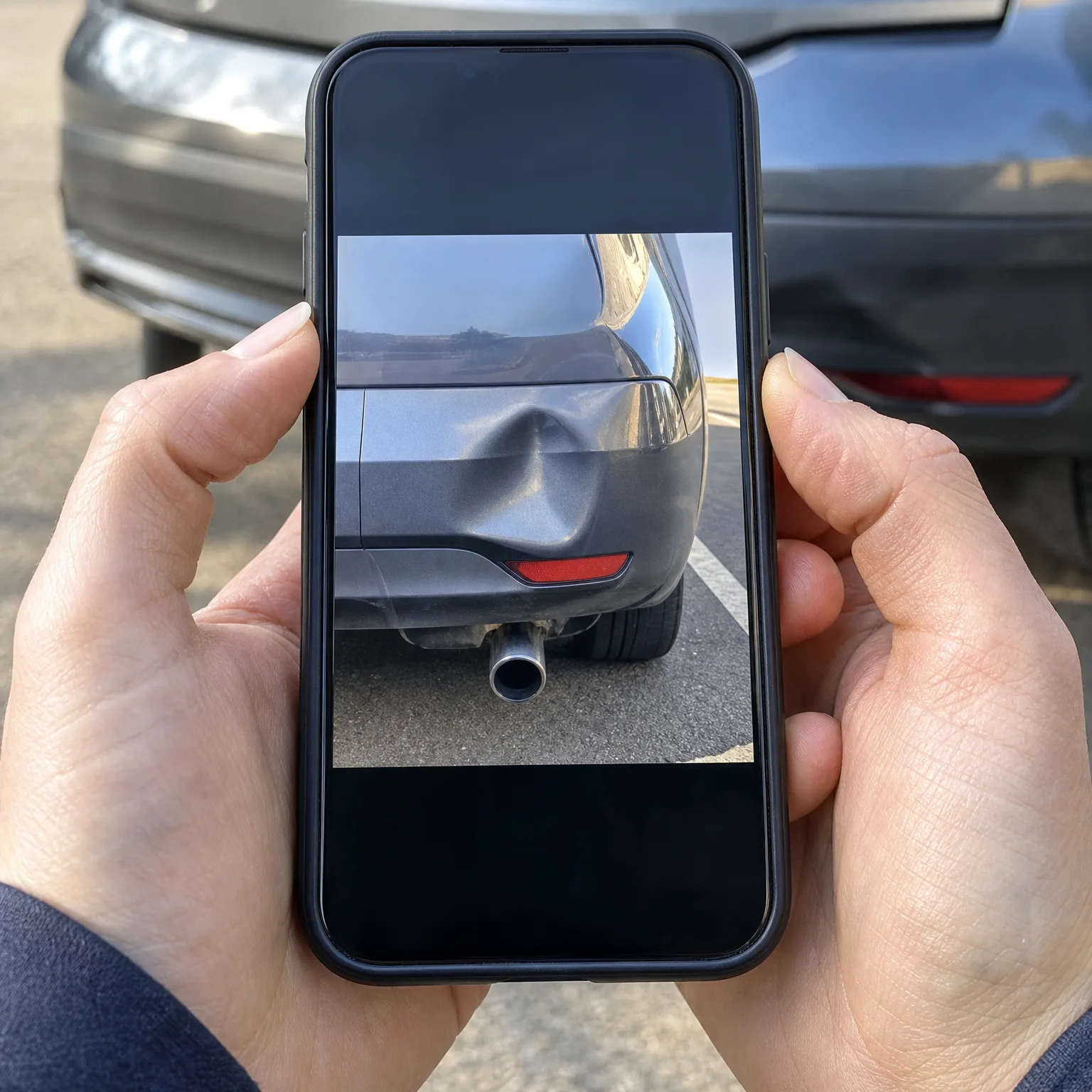
Mariam had been driving for six months on her first US policy when she rear ended someone at a stop sign in light rain. No one was hurt, but both bumpers were damaged. She called her insurer that afternoon, gave her account of what happened, and exchanged information with the other driver before leaving the scene, which she'd been told to always do no matter how minor it seems.
The insurer's claims adjuster reviewed the accident and found her at fault, since she'd been following too closely for the conditions. Her insurer paid for the other driver's repairs and her own, minus her deductible. At renewal eight months later, her premium went up, and her agent told her it would likely stay higher for a few years before dropping back down. She shopped quotes from other insurers anyway and found one that weighed the accident less heavily, so she switched and paid less than she expected.

The accident itself matters less than what you do in the minutes and months right after it.
Now that you know what an accident actually costs you, compare quotes to see how different insurers price that risk.

Do you report every accident to your insurer, even small ones
If you do
You stay protected if the other driver later claims more damage than you saw at the scene. Your insurer has a record showing you acted properly. Small accidents sometimes cost you nothing out of pocket beyond a deductible, and your claims history stays accurate and defensible.
If you don't
You risk the other driver filing a claim later that you can't explain or support. Your insurer may question your honesty on future claims. If the accident turns out to involve more damage or injury than it seemed, you could end up paying far more yourself, with no coverage backing you up.
Why one accident doesn't define your record forever
Insurance prices are built around risk, and an accident is evidence of risk, but it's not the only evidence. Insurers look at how long ago it happened, whether you were at fault, and what your driving has looked like since. A single accident years into a clean record reads very differently than one in your first few months, which is why new drivers often see a sharper increase than someone with a longer history.
Fault matters because it tells the insurer whether the accident reflects your driving or someone else's. If you're found not at fault, many insurers won't raise your rate at all, since the accident doesn't tell them anything new about your risk. If you're at fault, they treat it as a signal, but one signal among many, not a permanent verdict.
The time it stays on your record and affects your price varies by insurer and by state, so ask directly how long this particular accident will be counted against you. Some insurers forgive a first accident entirely if you've been with them a while, though as a new driver you likely haven't built up that tenure yet. That's one more reason to ask every insurer you're comparing how they'd treat your specific accident, rather than assuming they all handle it the same way.
What changes the outcome most is what you do next. Driving cleanly afterward, avoiding further claims, and shopping around at renewal all work in your favor. An accident early on feels like a setback, but it's a data point insurers will keep updating as you build more history, not a fixed label they attach to you permanently.