Do Cops Come Out for Fender Benders
Usually not for minor damage with no injuries, but you still need to document everything yourself and report it to your insurer.
Police priorities decide this, not the size of your dent
Police departments send officers where someone could be hurt or where traffic is blocked. A fender bender in a parking lot or at a low speed, with both cars still driveable and nobody complaining of pain, usually falls below that line. Dispatchers are weighing this against car crashes with injuries, crimes in progress, and everything else happening in the city that day. Your crash isn't being ignored, it's being sorted.
What changes the answer is injury, blockage, or disagreement. If anyone says they're hurt, even a little, officers typically come, because injury claims need to be documented by someone neutral. If the cars are blocking a lane or an intersection, police come to clear it and keep traffic moving safely. And if the other driver won't exchange information, admits fault then changes their story, or the situation feels unsafe, you can ask for an officer and most departments will send one.
This varies by place more than people expect. Some cities and counties have policies that officers won't respond to minor crashes with no injuries at all, and instead direct you to file a report online or at a station within a set window. Other departments still send someone out for almost anything. Call the non-emergency line, describe the damage and ask directly whether they'll send a unit. Don't assume based on what happened to a friend in a different state or city.
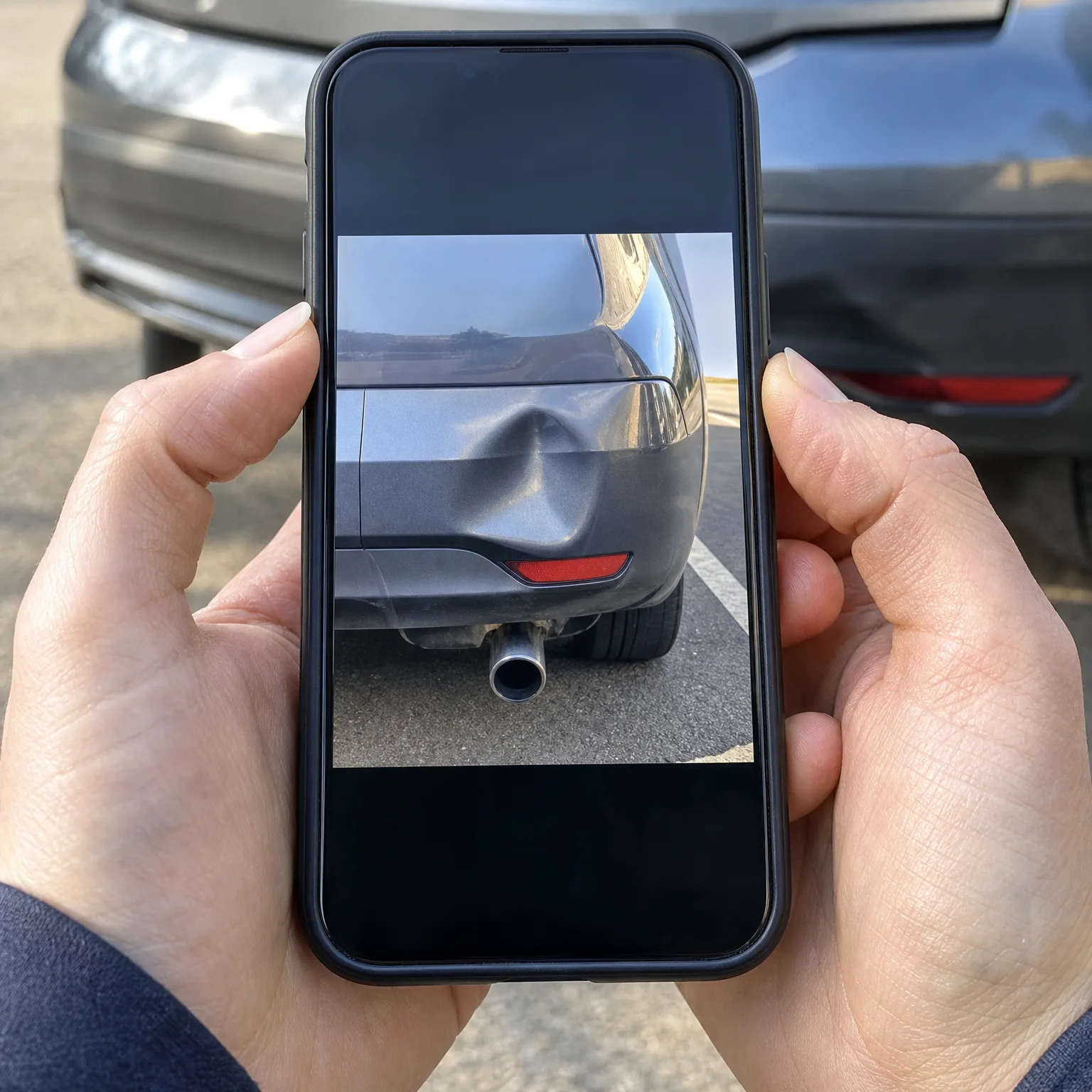
Even when no officer comes, you aren't left without options. You can usually still file an official report yourself, online or in person, and your insurer can open a claim without a police report at all in most cases. What matters most is that you gather the same information an officer would have, names, plates, insurance details, and photos, before everyone drives away.
Do I still need a police report if no officer comes?
Not always, but it helps to have something in writing. Most insurers will open a claim using your account of the crash, photos, and the other driver's information, even with no official report. A report matters most when fault is disputed or when injuries show up later.
If no officer responds, ask the department whether you can file a report yourself, online or at a station, within a set window. Keep a copy. If the other driver is cooperative and damage is minor, you may not need one at all, but having it costs little and protects you if the story changes later.
Once you know how this crash will be documented, compare quotes knowing your record and claim history going forward.
What decides whether an officer shows up
- Injury, even minor If anyone reports pain or injury, officers almost always respond. Say so clearly when you call, and don't downplay symptoms that show up after the adrenaline fades.
- Blocked traffic Crashes blocking a lane or intersection usually get a response just to clear the road. Move to a safe spot only if the cars are driveable and it's legal to do so.
- Local department policy Some cities skip minor no-injury crashes entirely and route you to online reporting. Call the non-emergency number and ask directly what their policy is.
- Disagreement at the scene If the other driver won't share information or disputes what happened, ask for an officer anyway. Most departments will send someone when there's a dispute.
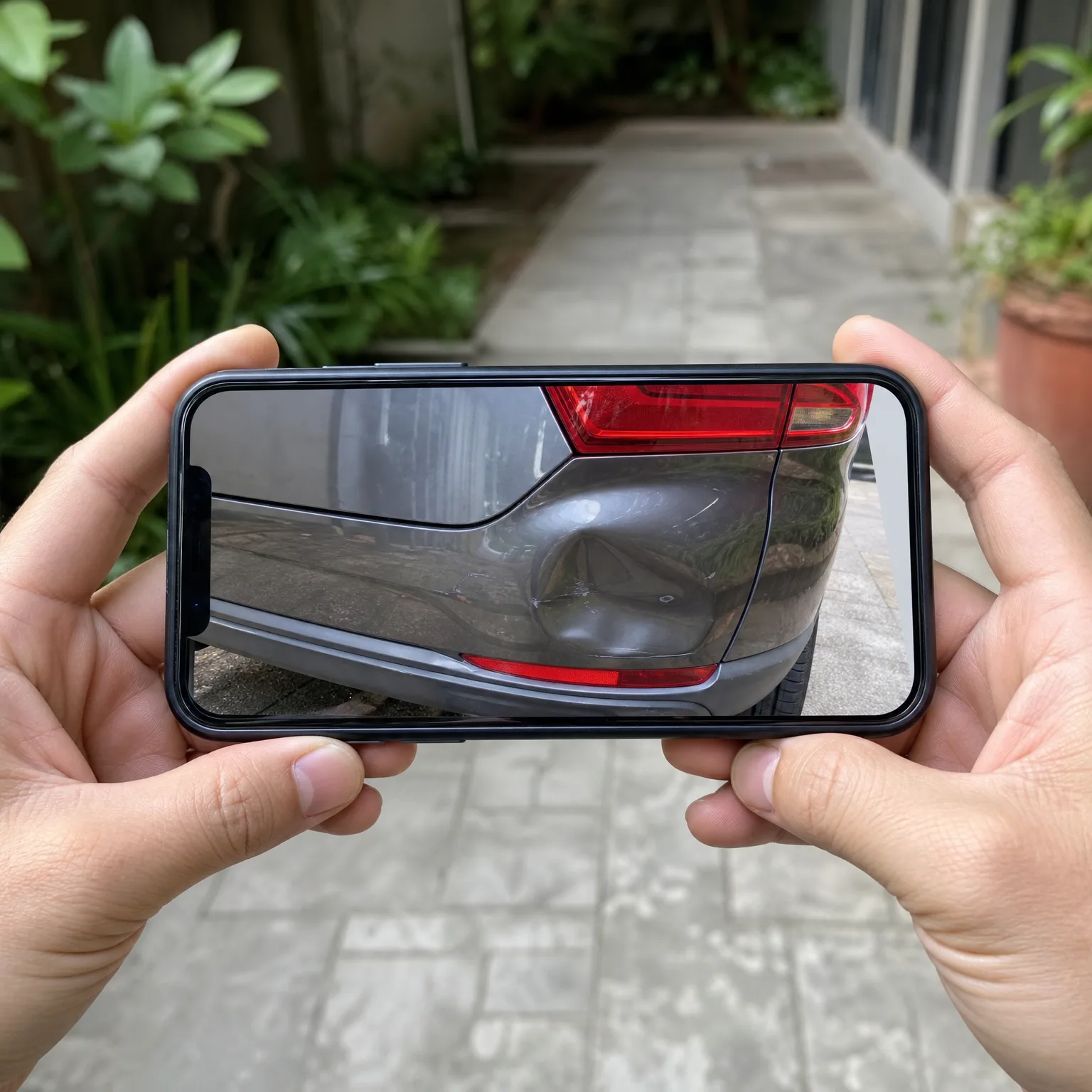
- What you document yourself Photos, names, plates and insurance info matter whether or not police come. Take them before anyone leaves, even if the damage looks small.
A parking lot tap with no visible damage
You're backing out of a spot and tap another car's bumper. No one is hurt, both cars still drive fine, and the damage looks like a scuff at most. You call the non-emergency line out of caution, and the dispatcher tells you that for a crash like this, with no injuries and both vehicles driveable, they won't send a unit, but you can file an online report if you want one on record.
You take photos of both bumpers, the parking lot context, and the other driver's license and insurance card, then exchange the same with them. You also write down the time and location while it's fresh. Later you file the online report anyway, just to have something official tied to the date. Your insurer opens a claim using your photos and the other driver's info, no police report required, and it resolves without needing one at all.
The officer isn't the one who protects you, your documentation is, so collect it like no one else will.