What to Do if Stopped by Police While Driving
Pull over safely, stay calm, keep your hands visible, and have your license, registration and insurance card ready to hand over.
A routine stop over a burned-out taillight
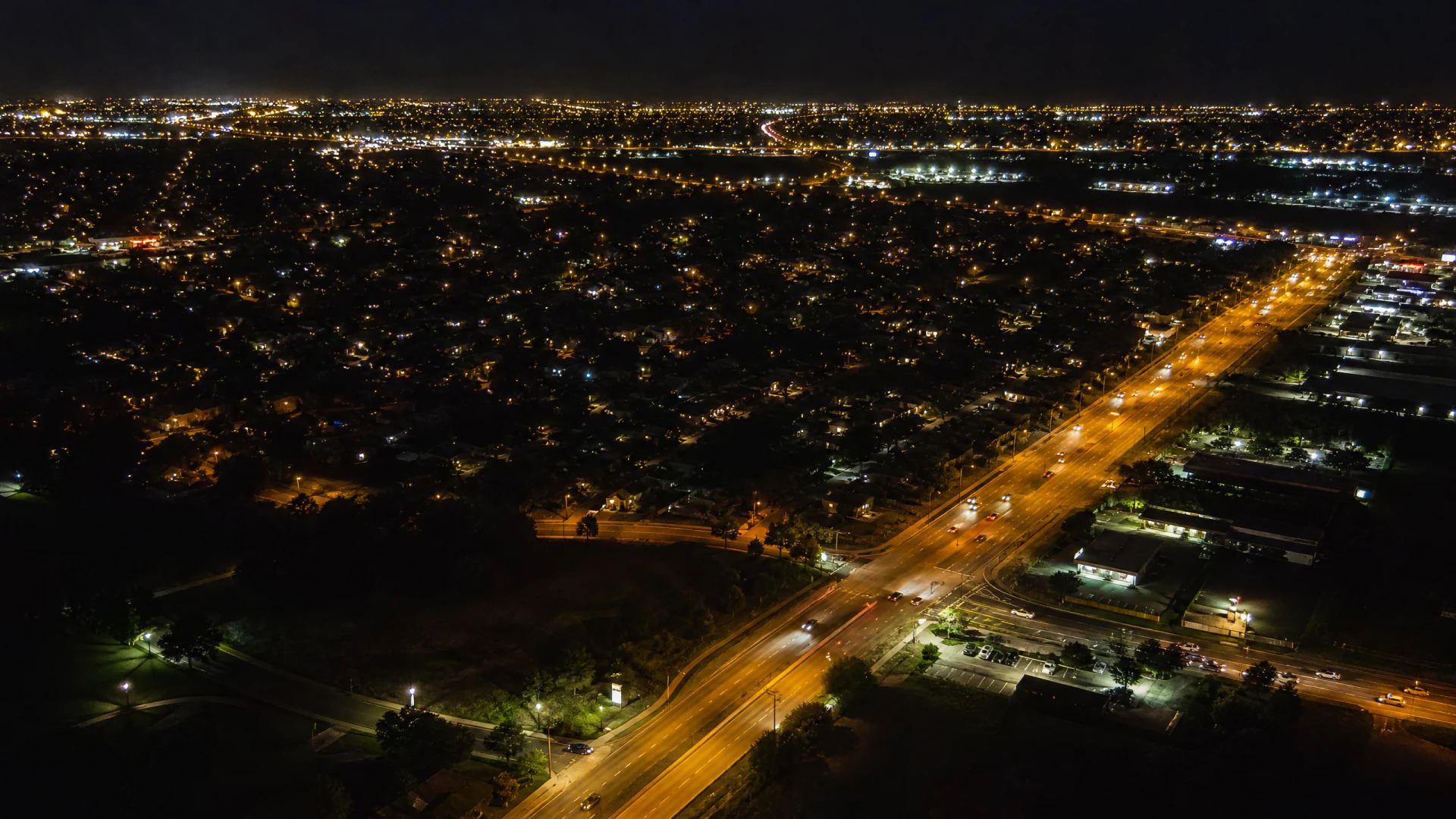
You're driving home at night and see lights flash behind you. You signal, pull over to the right as soon as it's safe, and put the car in park. You turn on the interior light, roll down your window, and place your hands on the steering wheel so the officer can see them clearly as they approach.
The officer explains your taillight is out and asks for your license, registration and proof of insurance. You tell them the documents are in the glove compartment before reaching for them, so there's no confusion about your movements. They run your information, give you a written warning, and tell you to get the light fixed. You thank them, wait for them to walk away, then signal and pull back into traffic. The whole stop takes a few minutes, and because you had every document ready and stayed calm, nothing about it became complicated.
What if I don't have a US driver's license yet?
Many states let you drive on a valid foreign license or an international driving permit for a limited time after you arrive, but this varies by state, so check your state's rules before you're on the road.
If you're stopped and you're still within that allowed window, say so and show whatever license you do have along with any permit. Officers are used to seeing out-of-state and international documents. What matters most is that you can prove you're legally allowed to drive right now. If that window has passed and you haven't gotten a local license yet, that's a separate problem to fix immediately, regardless of how any single stop goes.

Whether you stay calm and cooperative during the stop
If you do
The stop moves quickly. The officer checks your documents, explains why you were pulled over, and most minor issues end with a warning or a simple ticket. You avoid misunderstandings, and nothing about your behavior adds to whatever happens next, including any insurance consequences.
If you don't
Sudden movements, arguing, or reaching for things without explaining can escalate a simple stop. The officer may call for backup, extend the stop, or treat you with more suspicion than the situation calls for. None of that helps your case and some of it can follow you.
Once you know how to handle a stop with confidence, compare quotes to make sure your coverage holds up just as well.
What to have ready and do during any stop
- Pull over right away Signal and move to the right shoulder as soon as it's safe. Slow, visible compliance tells the officer you're cooperating before they even reach your window.
- Keep hands visible Put your hands on the wheel and wait for instructions. Announce any movement before you make it, especially when reaching for documents.
- Carry the right documents Keep your license, registration and insurance card together so you're not searching during the stop. Know where they are before you're ever pulled over.
- Answer only what's asked Be polite and factual, but you don't have to volunteer extra information. Simple, direct answers keep the stop short.
- Know the ticket isn't the end A ticket or warning may affect your insurance later depending on your state and insurer. Ask your insurer how it works before you need to know.
Why how you act during a stop actually matters
Police stops follow a predictable pattern because officers are trained to manage risk and uncertainty. Every action you take, from how you pull over to how you move your hands, gives the officer information about whether the stop is routine or not. When you behave predictably, you remove uncertainty, and the stop usually proceeds exactly as it should, quickly and without incident.
This matters more for new drivers in the US because the documents and expectations can be unfamiliar. An officer doesn't know your driving history or your background. They're responding to what they see in front of them, so having your license, registration and insurance ready, and knowing what's expected, puts you on equal footing with any driver who grew up with this system.
What happens after the stop depends on where you are and what you're insured with. Some states report minor violations differently than others, and insurers vary in how long a ticket affects your rate or whether it does at all. This is one of the clearest places where it pays to ask your insurer directly rather than assume, since the same violation can mean very different things depending on your policy and your state.
The stop itself, though, works the same everywhere. Stay calm, be clear, keep your documents ready, and let the process play out. That part of the equation is entirely within your control, regardless of what state you're in or what's on your license.