What Is Proof of Car Insurance Called
It's usually called an insurance ID card or a declarations page, and either one proves you're covered.
It's a snapshot of your policy, made to be checked fast
Proof of insurance exists because a police officer, a rental counter, or a DMV clerk needs to confirm you're covered without reading your whole contract. So insurers created a short document, usually called an insurance ID card, that lists just the facts that matter: who's insured, what vehicle, what dates, and the minimum coverages your state requires. Some states and situations ask for a declarations page instead, which is a longer summary of your full policy, still short, but with more detail about your limits and deductibles.
Which one you need depends on who's asking. A traffic stop almost always wants the ID card, because it's quick to read and easy to carry. A mortgage company financing your car, or a landlord, might want the declarations page because it shows more. Check what the person or agency asking actually wants before you hand over the wrong one.
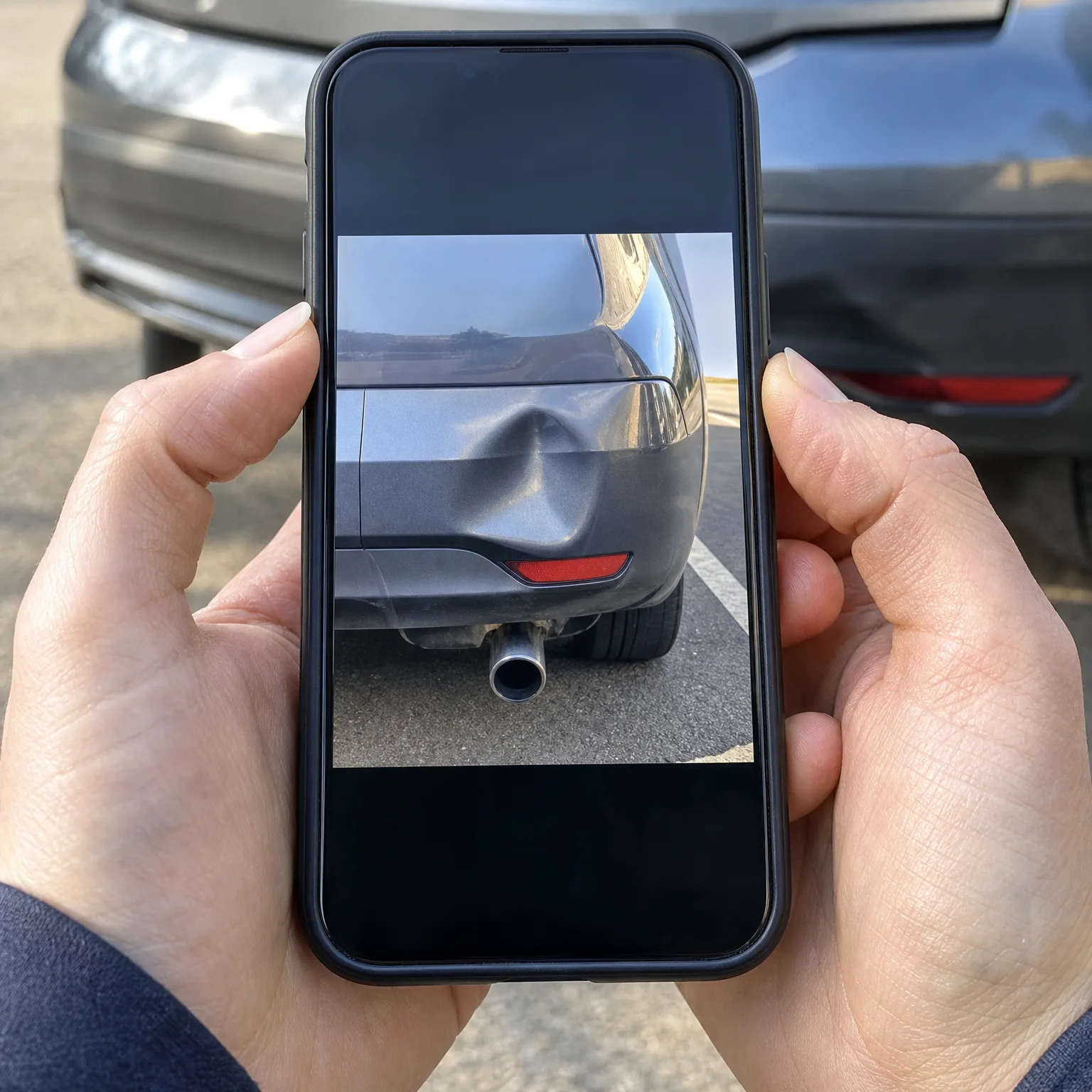
Format varies too. Many states now accept a digital version on your phone, shown through an app or a text link your insurer sends you. Other states, or other situations like crossing into a different state, may still require a physical card. Check your state's rule before you rely on your phone alone, especially if your phone could run out of battery or lose signal at the wrong moment.
What doesn't vary is the purpose. Whatever it's called and whatever form it takes, this document exists to answer one question instantly: are you covered right now. Everything about its design, short, standardized, easy to scan, comes from that single job.
What happens if I get pulled over without proof of insurance?
In most states, driving without being able to show proof is treated differently from driving without insurance at all. If you're actually covered but just don't have the card on you, many states let you resolve it by showing proof later, sometimes avoiding a real penalty. But this varies a lot by state, so check your state's rule rather than assume.
If you truly aren't insured, the consequences are more serious almost everywhere, and can include fines, license issues, or registration problems. That's a different situation from simply forgetting your card. Either way, the fix is the same going forward: keep a digital copy on your phone and a physical copy in your glove compartment, so you always have both if one option fails you.
It's just a short summary card to prove coverage fast, not a document you need to study or fear.
Now that you know what to carry and why, compare quotes knowing exactly what proof of coverage you'll get.

Carrying proof of insurance versus not having it on you
If you do
You show the officer, clerk, or rental agent your card or app, they check the dates and coverage, and you move on in a minute or two. Registering your car, renting a vehicle, or crossing state lines all go smoothly because the document is right there, recognized immediately.
If you don't
You may face a citation or delay even if your policy is active, because the person checking can't confirm it on the spot. Some states let you clear this up by presenting proof afterward, but you lose time, and in some places face a fine regardless of whether you were actually covered.
Registering a car for the first time after moving here
You bought a used car and went to the DMV to register it, bringing your license, the bill of sale, and your insurance policy email confirmation. The clerk asked for your insurance ID card specifically, not the long policy document, and your email confirmation didn't have the right format. You called your insurer from the DMV parking lot, and they texted you a digital ID card link on the spot.
You showed the clerk the card on your phone, she checked the vehicle identification number and the coverage dates, and the registration went through. Afterward you asked your insurer to mail you a physical card too, so you'd have a backup in the car that didn't depend on your phone. That combination, one digital and one physical copy, has covered you at every stop since.