What Are Common Car Insurance Terms
These words on your quote describe exactly what's protected, what you'll owe, and what gets left out.
The terms exist to split up who pays for what
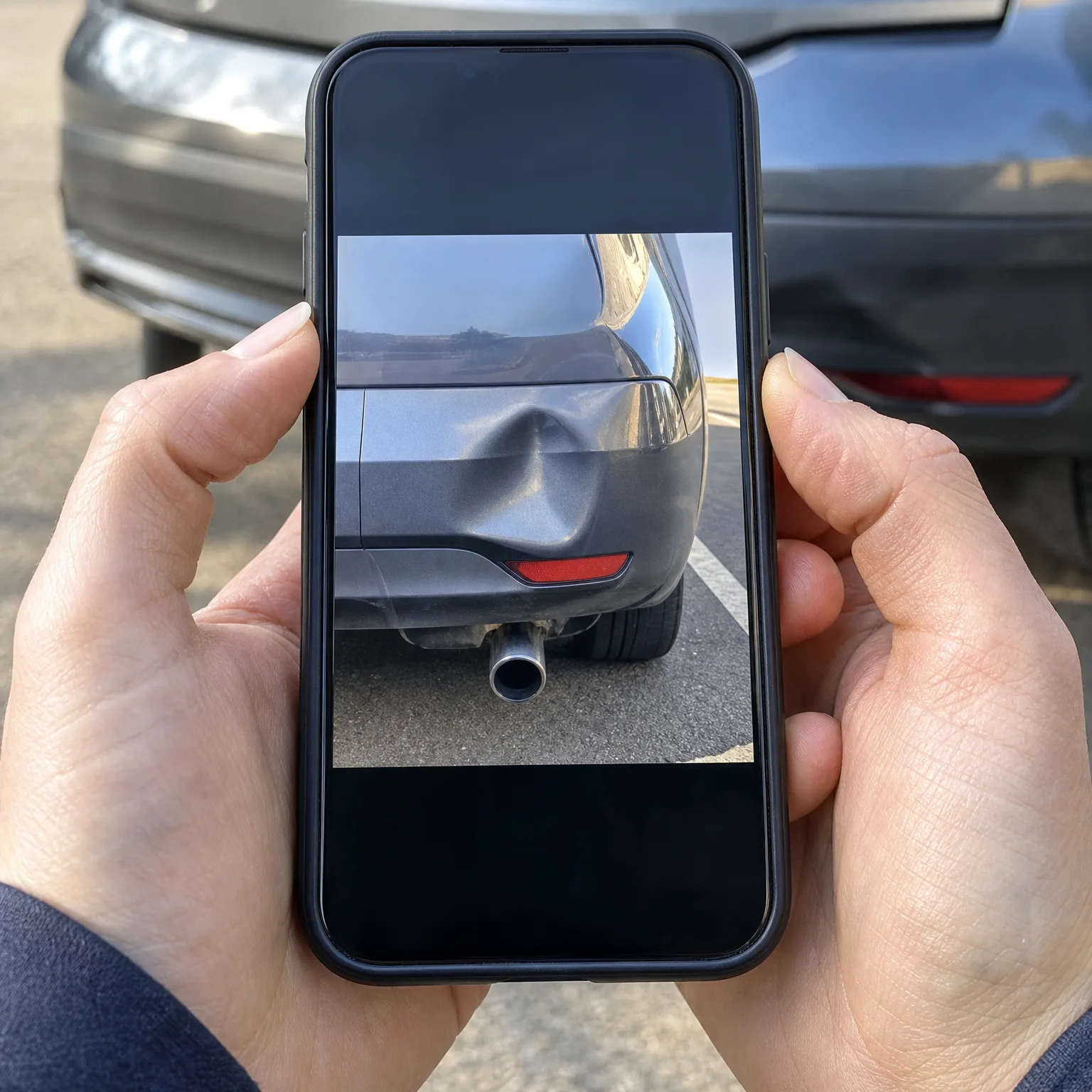
Car insurance is built from separate pieces, each covering a different kind of loss. Liability covers damage you cause to other people or their property. Collision covers your own car after an accident. Comprehensive covers things like theft, fire, or a tree falling on your car. Insurers keep these separate because the risks are different, and you can usually choose how much of each you want.
A deductible is the amount you pay before your coverage pays the rest. A higher deductible usually means a lower cost, because you're agreeing to carry more of the small losses yourself. A limit is the most the insurer will pay for a covered loss, and once you hit it, anything above that is on you. These two numbers, deductible and limit, shape almost every price you'll see.
Premium is simply the price you pay for the policy, billed on whatever schedule the insurer sets. A policy is the full written contract, and the declarations page is the short summary at the front that lists your coverages, limits, and deductibles in one place. That page is the fastest way to actually understand what you bought, faster than reading the whole contract.
Some terms shift by state. Some places require a minimum amount of liability coverage, others require additional coverages like protection against uninsured drivers, and the exact rules depend on where you live. When you don't recognize a term on a quote, ask the insurer directly what it means for your state, because the same word can work differently depending on where you are.
The core terms worth knowing before you compare quotes
- Liability This pays for harm you cause to others, not damage to your own car. Check the limit carefully, since low limits can leave you owing money beyond what's covered.
- Deductible This is what you pay first before coverage kicks in in a claim. Pick a number you could actually pay out of pocket right now, not just the one that lowers your monthly price.
- Premium This is the price of the policy itself, billed on a schedule. Compare it alongside the limits and deductible, not on its own, since a cheap premium can hide thin coverage.
- Declarations page This one-page summary lists everything you're actually covered for. Read it first on any quote, before the long contract, to see the real shape of the deal.
- Uninsured motorist coverage This protects you if the other driver has no insurance or not enough. Ask whether your state requires it, since rules on this vary by where you live.
What's the difference between full coverage and liability only?
Liability only means you're covered for damage you cause to others, but nothing is paid toward your own car. Full coverage usually means liability plus collision and comprehensive, so your own car is protected too, whether from an accident, theft, or weather.
Which one makes sense depends on your car's value and whether you could afford to replace it yourself. An older car worth little might not be worth paying extra to protect with collision and comprehensive. A newer or financed car usually needs full coverage, and if you have a loan, the lender will likely require it anyway. Ask any insurer to show you the price difference side by side before deciding, since the gap is sometimes smaller than people expect.
Now that you know what each term on a quote actually means, compare quotes and read the declarations page first.
Reading a quote that didn't make sense at first
Someone new to the country got three quotes and found each one listed different numbers next to unfamiliar words like bodily injury liability, property damage liability, and comprehensive. The prices varied a lot, and without knowing what the terms meant, it looked like one insurer was simply cheaper for no clear reason.
They asked each insurer to walk through the declarations page line by line, matching each term to what it actually covered. It turned out the cheapest quote had much lower liability limits than the others, which meant less protection if they caused a serious accident. Once they compared the same limits and the same deductible across all three quotes, the real price differences were much smaller, and they picked the one with the clearest explanation and the limits that matched their situation.

What does bodily injury liability actually cover?
It covers medical costs and related expenses for other people if you're found responsible for an accident. It does not cover your own injuries, which is usually a separate coverage. Check the limit on this closely, since it's often split into a per-person amount and a per-accident amount, and both matter.
What is a premium versus a deductible?
A premium is what you pay for the policy itself, on whatever schedule you choose. A deductible is what you pay out of pocket when you file a claim, before coverage pays the rest. They move in opposite directions, so a higher deductible usually lowers the premium, and it's worth checking both together, not separately.
What does full tort or no-fault mean on a quote?
These describe how claims get handled after an accident, and they only apply in certain states. No-fault means your own insurer pays your costs regardless of who caused the accident. Check whether your state uses this system, since it changes what coverage you're required to carry and how claims get filed.