How Can I Look Up a Car History
You look up a car's history by running its VIN through a vehicle history report, which shows past accidents, titles, and ownership.
A used car that looked fine until the report spoke up
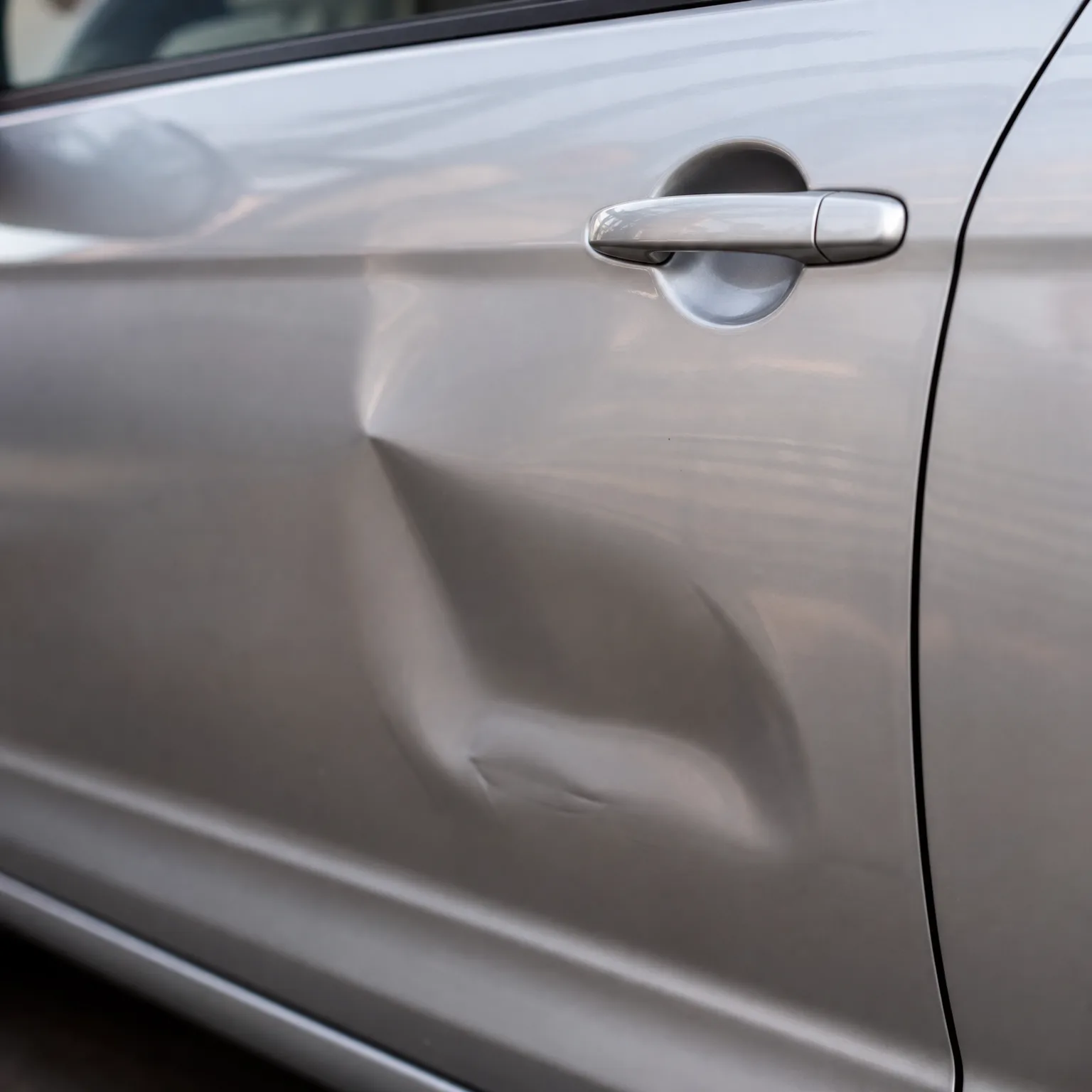
You find a sedan listed by a private seller, the price is a little lower than similar cars nearby, and the seller says it has never been in an accident. Before you agree to anything, you ask for the VIN, which is stamped on the dashboard near the windshield and also printed on the title and registration. You run it through a vehicle history report and see a salvage title from two years ago, meaning an insurer once declared the car a total loss.
That single fact changes your decision. A salvage history does not always mean the car is unsafe, but it does mean you ask the seller directly why it was totaled, and you have a mechanic inspect it before you pay anything. You also know to mention this to any insurer when you request quotes, because a salvage title can affect what coverage is available and how the car is valued if it is ever damaged again. In this case the seller admits the car was in a flood, and you walk away and keep looking.
Does a clean vehicle history report mean the car is actually safe to buy?
No. A clean report means no major incidents were reported to the services that track vehicle records, but it does not mean the car has no problems.
Reporting depends on accidents, thefts, or damage being filed with a state agency or insurer, and small accidents, cash repairs, or issues in certain states sometimes never make it into the system. A clean report is a good sign, not a guarantee. Always pair it with your own inspection and, if you're not confident checking the car yourself, a mechanic's inspection before you buy. Think of the report as one piece of evidence, not the final word, and use it alongside the car's maintenance records, a test drive, and a look underneath for rust or prior repair work.

Once you've checked a car's history, compare insurance quotes for it with real numbers in hand.
What to check before you trust any car's history
- Get the VIN right The VIN is a seventeen character code on the dashboard, the driver's door frame, and the title. Copy it carefully, since one wrong character pulls up the wrong vehicle entirely.
- Use more than one source Different report services pull from different records, so one might show something another misses. Checking two sources gives you a fuller picture before you decide.
- Look for title brands Words like salvage, rebuilt, or flood on the title mean the car was seriously damaged at some point. Ask the seller directly what happened and get it in writing if you can.
- Match the odometer history The report shows past mileage readings, so compare them to what the seller and the dashboard show you now. A mismatch is a reason to ask more questions, not necessarily to walk away.
- Save the report for later Keep a copy of the history report with your other paperwork. If you ever file an insurance claim or sell the car yourself, it's useful to have on hand.

A history report tells you what was reported, not everything that happened, so use it as a starting point.
Is a vehicle history report the same thing as a title check?
No, they overlap but aren't identical. A title check confirms who legally owns the car and whether there are liens against it, which matters because you can't get clear ownership if someone else still has a financial claim on the vehicle. A vehicle history report is broader and includes accidents, odometer readings, and past titles in other states. Before buying, you generally want both, a title check through your state's motor vehicle agency and a separate history report, since neither one fully replaces the other.
Does a car's accident history affect my insurance rate?
Sometimes, depending on the insurer and what the accident history shows. Insurers mostly price your policy based on your own driving record and the car's make, model, and value, but a documented total loss or major structural repair can affect how the car is valued and what coverage is offered. If you're buying a car with a significant accident in its past, mention this when you request quotes so the insurer can tell you upfront whether it changes anything, rather than finding out later when filing a claim.
Can I look up a car's history for free?
Partly, yes. Some basic information, like whether a title is salvage or branded, is often available through free government or state resources. Full reports with detailed accident and ownership history usually come from paid services, though sellers sometimes provide one already. If a seller offers a report, check which service produced it and confirm it's recent, since a report from months ago may not reflect anything that happened since.