Building a US Insurance History
You build a US insurance history by staying continuously insured here and letting that record accumulate, one renewal at a time.
Your record is built from what insurers here can actually see
Insurers price you partly on how risky you look on paper, and in the US that paper trail is continuous coverage with no gaps, time spent licensed and insured in this country, and whether you've filed claims. None of your driving history from another country shows up in that file automatically, no matter how long or clean it was. So on day one here, you often look like a first-time driver to the system even though you aren't one.
That history starts the moment you buy a policy and stays unbroken as long as you keep paying and renewing without a lapse. Each renewal without a claim or a cancellation adds to it. This is why the first policy matters so much. It's not really about the price you pay that first year, it's about starting the clock and keeping it running.
Gaps are what set you back the most. If you let a policy lapse, even for a short stretch between moving, switching cars, or switching insurers, that gap can reset how insurers see you. It can look the same as having no history at all, even if you were insured before and after the gap.
Some insurers will also give partial credit for verified driving experience from another country, through a letter from your previous insurer or similar proof. This varies a lot by company and by state, so it's worth asking directly rather than assuming either way.

Starting from zero after a cross-country move
Someone moves to the US for work, gets a license within the first couple months, and buys the minimum coverage their new state requires just to drive to the job. They treat it as a formality, something to get out of the way, and don't think much about it beyond that first policy.
A year later, when they go to renew, they're treated as a returning customer with a year of clean history, not a brand-new one. The price reflects that. They keep renewing without letting anything lapse, even during a few months when they weren't driving much, and by the time they're shopping around for a better deal, they have enough of a track record that other insurers want to compete for them too.
Does my driving record from my home country count for anything here?
Sometimes, but only if you can prove it and only if the insurer chooses to count it. A formal letter from your previous insurer showing your years insured and your claims history is the usual way to try. Some insurers will use that to offer a better starting price. Others won't look at it at all, since they have no way to verify or price foreign records consistently.
It's worth asking before you buy your first US policy, because you won't know unless you ask directly. Don't delay getting insured while you wait for that documentation, since the gap you'd create looking for it usually costs you more than the discount would have saved.
Now that you know how to start and protect your record, compare quotes to find the strongest starting price.

Whether you keep your coverage continuous from the start
If you do
You stay insured without any break, even switching providers carefully so one policy ends only after the next begins. Each renewal adds to a visible track record. Within a couple years you look like an established, lower-risk driver, and more insurers compete for your business at better prices.
If you don't
You let a policy lapse between moves, cars, or providers, even briefly. Insurers treat that gap as a red flag or a reset, so you can end up looking like a brand-new driver again despite having been insured before. Your next quote often costs more than if you'd never had a gap at all.

What actually builds your record here
- Get insured immediately Don't drive uninsured while you sort out your license or compare options. The clock on your US history only starts once you have an active policy.
- Never let coverage lapse Line up your next policy before the current one ends, even by a day. A gap can erase the credit you've already built.
- Ask about foreign driving credit Request a letter from your previous insurer showing your history and ask new insurers if they'll use it. Some will, many won't, so ask before assuming.
- Track your coverage switches Switching insurers is fine, but confirm the new one can verify your prior US coverage. Keep your own records and documents just in case.
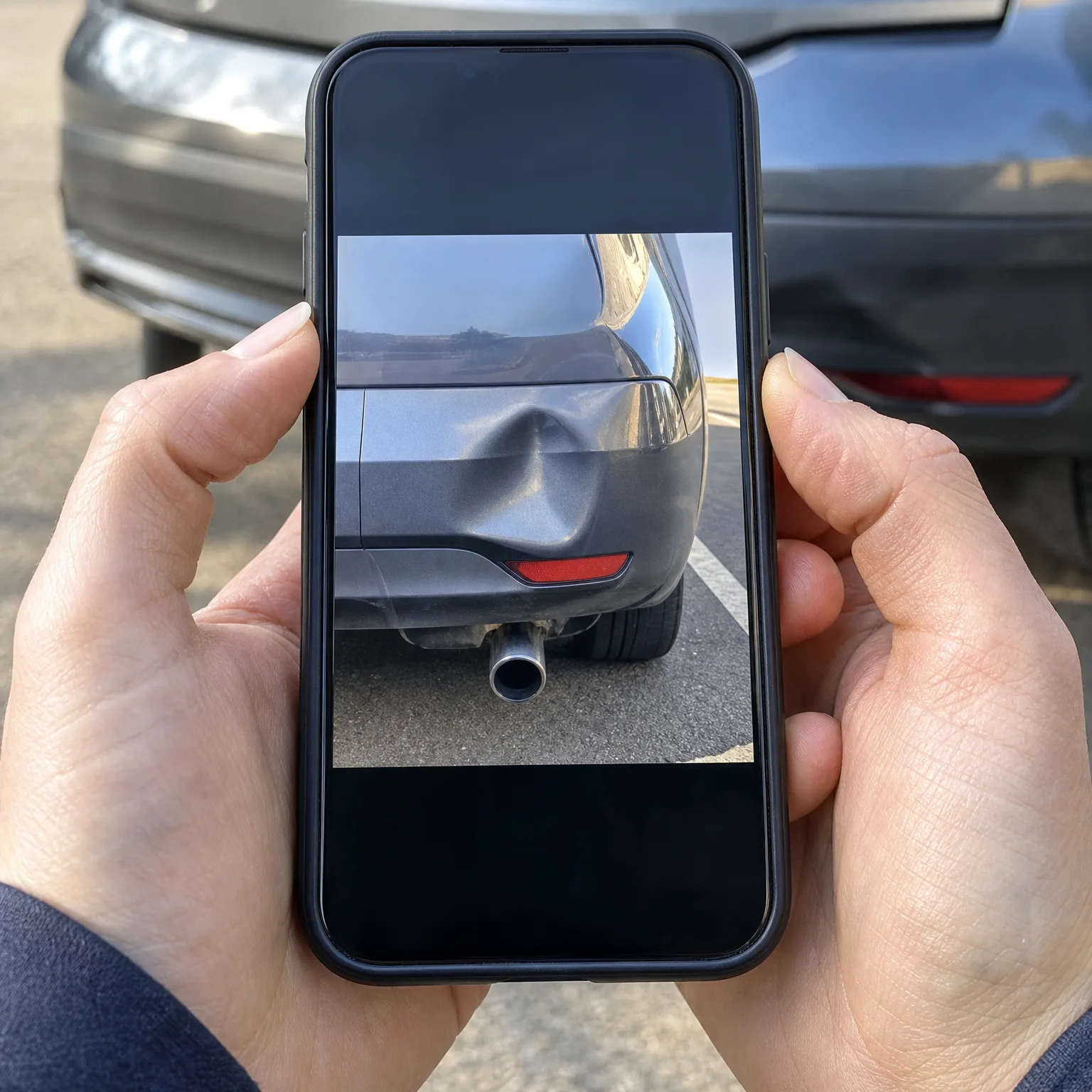
- Avoid small claims Small claims can cost you more in future pricing than they save upfront. Weigh paying out of pocket for minor damage against filing, especially early on.